
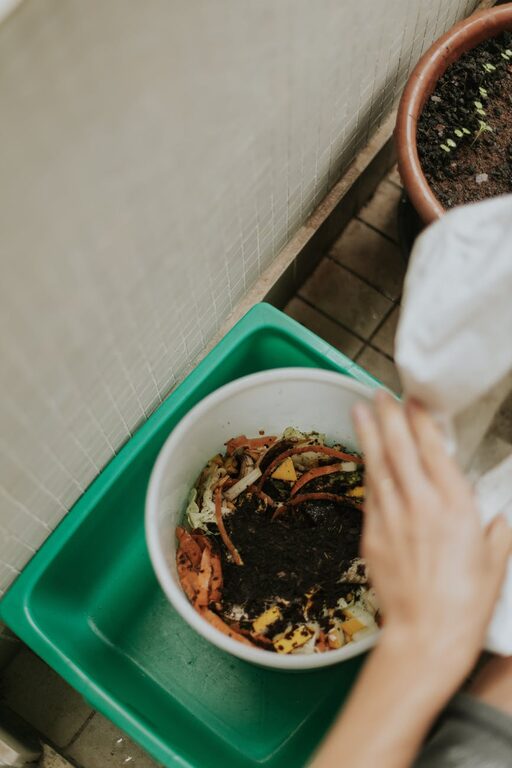
Composting at home is a wonderful way to reduce waste, nourish your garden, and contribute positively to the environment. If you’re new to composting, it might seem a bit overwhelming at first, but with the right tips and a simple approach, you can quickly turn scraps into rich, healthy soil. This guide will take you through the basics and help you start composting with confidence.
What is Composting?
Composting is the natural process of recycling organic materials, like food scraps and yard waste, into a dark, nutrient-dense soil conditioner called compost. This “black gold” can improve soil structure, increase fertility, and help your plants thrive.
Why Start Composting at Home?
– Reduce Waste: Composting keeps a significant portion of your household waste out of landfills.
– Save Money: Reduces the need for chemical fertilizers and soil conditioners.
– Improve Your Garden: Adds essential nutrients and enhances soil moisture retention.
– Help the Environment: Limits greenhouse gas emissions that come from decomposing waste in landfills.
Getting Started: What You Need
1. Choose Your Composting Method
– Outdoor Compost Bin: Ideal for gardens with space; allows for larger quantities.
– Compost Pile: Less structure needed, but requires turning and management.
– Indoor Compost Bin or Worm Bin: Perfect for apartments or small spaces; uses worms to speed up the process.
2. Select a Suitable Location
– Find a spot with good drainage, partial shade, and easy access.
– Avoid areas too close to your house to minimize pests and odors.
3. Gather Supplies
– Compost bin or container
– Pitchfork or compost aerator for turning
– Water source (garden hose or watering can)
– Kitchen container for collecting scraps
What Can You Compost?
Green Materials (Nitrogen-Rich)
These materials provide nitrogen, which is vital for decomposer microbes.
– Fruit and vegetable scraps
– Coffee grounds and filters
– Tea bags (make sure they’re compostable)
– Fresh grass clippings
– Plant trimmings
Brown Materials (Carbon-Rich)
These provide carbon, which balances nitrogen and adds bulk.
– Dry leaves
– Straw or hay
– Cardboard and paper (shredded)
– Small branches and twigs
– Sawdust from untreated wood
Avoid Composting
– Meat, fish, dairy, and oils (attract pests and cause odors)
– Diseased plants
– Pet waste
– Chemically treated wood or plants
Step-by-Step Guide to Composting
Step 1: Build Your Compost Layer
Start by layering brown and green materials to maintain balance. A good rule of thumb is about three parts brown to one part green by volume. Begin with a layer of coarse materials like twigs to help drainage.
Step 2: Moisten Your Pile
Your compost should be as damp as a wrung-out sponge. Add water if it’s too dry, or add more dry brown materials if it feels soggy.
Step 3: Turn Your Compost Regularly
Aeration is key to speeding up decomposition and avoiding bad smells. Use a pitchfork to mix the pile every week or two, ensuring oxygen circulates.
Step 4: Monitor the Temperature
A hot compost pile breaks down materials faster. If you don’t feel heat, add more green materials and water, then turn the pile again.
Step 5: Wait and Watch
Depending on conditions, compost can take from a few months to a year. Finished compost is dark, crumbly, and earthy-smelling.
Troubleshooting Common Compost Problems
– Bad Odors: Usually from too much green material or moisture. Add browns and turn piles more.
– Slow Decomposition: May need more nitrogen (greens) or more frequent turning.
– Pests: Avoid meat and pet waste; turn compost regularly and cover food scraps with browns.
– Dry Pile: Add water and green materials to increase moisture.
Tips for Successful Composting
– Be patient; composting takes time but is worth it.
– Chop or shred materials to speed up breakdown.
– Use compost in your garden beds, pots, or as mulch.
– Utilize a kitchen scrap bin to collect compostables easily.
– Consider worm composting (vermicomposting) if you want a faster indoor option.
Conclusion
Starting a compost pile at home is an enjoyable and rewarding way to manage waste and improve your gardening efforts. By following these beginner tips, you set yourself up for success while helping the environment in your own backyard. Experiment, stay consistent, and soon you’ll have rich compost that feeds your plants and reduces your ecological footprint.
Happy composting!